
You are here
NEXT Biosciences: Treating Autism with Autologous UC-MSC
Why and how Netcells started isolating mesenchymal stromal cells (MSCs) from their client’s umbilical cord tissue
Netcells, a division of NEXT Biosciences, is the leading cord blood bank in South Africa, with over two decades of experience. NEXT Biosciences is a privately held biotechnology company that specializes in stem cell banking, genetic testing, and biological products such as eye drops made from cord blood serum and applications of amniotic membrane to treat conditions in the field of ophthalmology.
For Netcells, the journey into treating autism with autologous cells began in March 2025, when they were contacted by the mom of a 5-year-old boy, that we will call “boy X” to preserve his privacy. Little boy X was diagnosed with aphasic autism; he struggled to express himself with language skills. His mom was seeking help from Netcells to find a way to treat his autism with the umbilical cord tissue that she had stored when X was born.
The family of boy X had banked newborn blood and tissues with Netcells for the birth of each of their three children. In the case of X, his cord blood collection volume was low and failed the flow cytometry threshold for long term storage. Hence, only his umbilical cord tissue was stored. Following a protocol that is common among cord blood banks around the world, the Netcells laboratory dissected the cord tissue shortly after birth and cryopreserved it as little pieces.
After receiving the mom’s plea for help, the Netcells medical team reached out to a functional medicine specialist, who works with children with special neurodevelopmental needs. This specialist doctor uses mesenchymal stromal cells (MSCs) and exosomes as explorative therapy, alongside other therapeutic interventions provided by occupational therapists and dieticians. The Netcells medical officer asked the specialist if he would see boy X, conduct an assessment, and determine if the little boy would be a candidate for MSC therapy.
Little boy X was assessed and the functional medicine specialist agreed that he was a candidate for cell therapy. For children with autism spectrum disorder, eligibility for cell therapy should be determined following comprehensive clinical evaluation, appropriate diagnostic investigations, assessment of conventional treatment history, and consideration of the available scientific and clinical evidence for the specific therapeutic intervention under consideration.
Meanwhile, at the Netcells laboratory, their research and development scientist had started working on a protocol to manufacture a therapeutic dose of MSCs from boy X’s umbilical cord tissue. A portion of the tissue was retrieved from the Netcells storage tanks. The tissue was carefully thawed and then broken down to the individual cellular level. From there, mesenchymal stromal cells were grown and expanded to reach the quantity required. The development of the Netcells protocol for manufacturing MSCs demonstrates that they can create as many MSCs as needed, precisely when they are needed, starting from cryopreserved tissue. The final result is a distinct, concentrated population of MSCs that are ready for treatment.
In early April 2025, the functional medicine specialist administered the MSCs from Netcells to boy X via intrathecal injection. The treatment was performed as an outpatient procedure in the surgical theatre of a day hospital. No medication (such as Benadryl) was administered together with the MSCs, and the family was advised not to give the patient any anti-inflammatory drugs (such as ibuprofen) for six weeks following the treatment. Boy X received a single intrathecal injection of MSCs and did not repeat the treatment.
This treatment was allowed because South Africa currently does not have a regulatory framework for cell therapies such as MSC, whether they are from an autologous or allogeneic source. However, such regulations are in progress. The South African Health Products Regulatory Authority (SAHPRA) is responsible to regulate medicines and biological products under the Medicines and Related Substances Act. This authority has identified somatic cell therapies and other advanced therapies as an area requiring development of a more comprehensive regulatory framework. SAHPRA’s current strategic plan is to establish detailed requirements for cell-therapy medicinal products covering their manufacturing, quality control, clinical trials, and marketing authorisation.
Approximately 6-weeks after his MSC treatment, the Netcells medical officer spoke to the mom of boy X, and she was very excited about his progress. The occupational therapist that worked with her son shared that he was much more focused and had been very vocal about the juice he was drinking. He participated well within a group and was able to complete the activity. This was enormous progress for this little boy, who prior to the MSC therapy had not been talking at all.
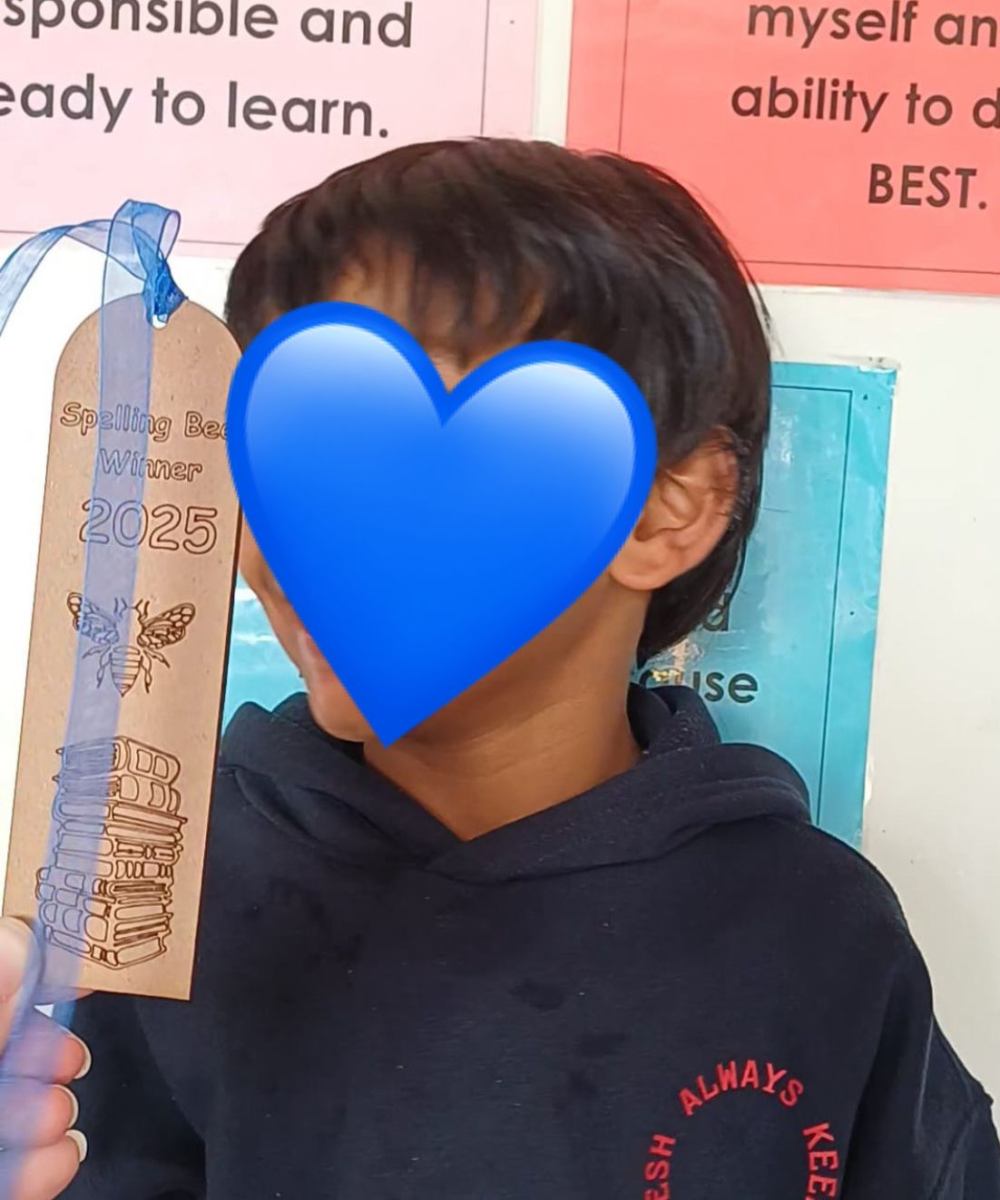
After only four months from treatment, little boy X was able to participate in a spelling bee at his play school!
A year later, in April 2026, his mom says that boy X has turned into a little chatterbox and now has a group of friends.
Since then, the same protocol has been used to assist an additional six children diagnosed with autism. All of the children were treated by the same functional medicine specialist. The MSC dose was determined by the treating physician on a case-by-case basis, but was typically 10 million cells per treatment. Out of the six children with autism treated, two have received a second MSC dose, and the other four have intentions to return for a second or perhaps even a third dose of MSCs. Two of the little ones were a set of twins, and their father is overwhelmed and overjoyed by their progress. Each parent story echoes the first, reporting remarkable improvements in the areas of social interaction, being able to hold meaningful conversations, and the ability to express emotions.
Looking forward, Netcells is building a program that will enable them to help more client families with cell therapies that use umbilical cord mesenchymal stromal cells (UC-MSC) isolated from cryopreserved cord tissue. In addition to treating children on the autism spectrum with their own UC-MSC, in another two cases Netcells has released UC-MSC to treat a relative of the child who banked the cord tissue. One was a child-to-father release of UC-MSC to treat a rotator cuff tear and tendinopathy of the elbow, and the other was a child-to-grandmother release to treat chronic neck pain after recurrent surgery for a neck fracture.