
You are here
From Bank to Bedside: CryoCord of Malaysia
CryoCord is Redefining the Future of Cell-Based Medicine
 Since its founding in 2002, CryoCord has stood at the forefront of stem cell innovation in Southeast Asia — growing from a pioneering stem cell bank into a comprehensive cell-based technology and therapeutics organisation. What began with the promise of storing life-saving cells has evolved into a broader mission: to transform regenerative medicine through scientific research, clinical translation, and real-world therapies.
Who We Are: A Leader in Cellular Innovation
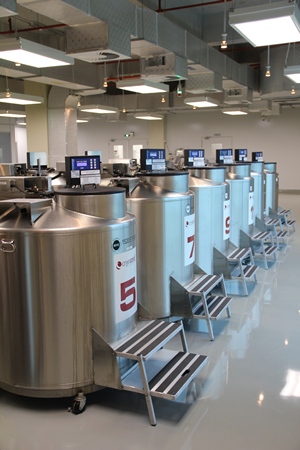
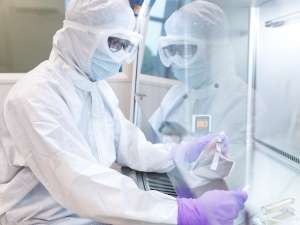 CryoCord is one of the largest and most trusted private stem cell organisations in Southeast Asia, fully licensed under the Private Healthcare Facilities and Services Act 1998 by the Ministry of Health Malaysia. Its flagship laboratory in Cyberjaya houses advanced infrastructure including 10 ISO Class 5 cleanrooms, Biosafety Level 2 facilities, and cGMP-certified systems compliant with PIC/S standards — enabling not only storage, but also advanced cell processing and therapeutic development.
This reflects their clients sustained confidence in CryoCord’s technology, governance, and clinical direction.
Evolving Beyond Traditional Banking
While conventional stem cell banks focus on preserving cord blood or tissue in its original form, CryoCord adopted a forward-looking technical strategy early on — emphasising cell isolation, expansion, characterisation, and preservation of viable therapeutic cell populations.
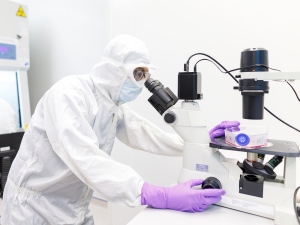 This service marked a fundamental shift from passive tissue storage toward therapeutic readiness — ensuring clinically meaningful cell quantities could be available for future medical applications.
Building on this foundation, CryoCord also became among the first in the region to introduce induced pluripotent stem cell (iPSC) banking in 2022, expanding the scope of future-ready cellular assets beyond adult stem cells toward next-generation regenerative platforms.
The group is also advancing research into extracellular particles and cell-derived vesicles — an emerging frontier in regenerative medicine exploring cell-free therapeutic mechanisms for tissue repair, immune modulation, and precision treatment applications.
The establishment of GMP-grade cell processing infrastructure in Malaysia in 2013 further reinforced this transition, positioning CryoCord as both a biobanking institution and a cell manufacturing platform.
CryoCord’s growth also extended beyond Malaysia early in its journey. In 2011, the group expanded into Indonesia with the establishment of its presence in Jakarta, marking its first regional footprint and laying the foundation for future clinical and GMP capabilities. This regional expansion strengthened CryoCord’s role as a Southeast Asian cellular therapy platform.
Scientific Leadership Driving Clinical Direction
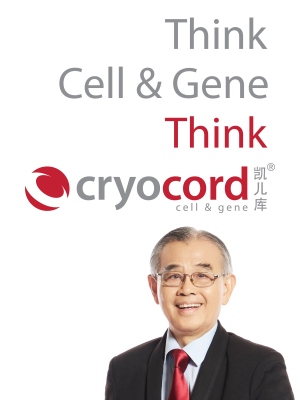 The scientific and clinical direction of CryoCord is guided by Academician Emeritus Professor Dato’ Dr. Cheong Soon-Keng, Medical Director of CryoCord Group and one of Malaysia’s foremost pioneers in haematology, stem cell transplantation, cell and gene therapies.
His research team later achieved Malaysia’s first successful isolation and expansion of mesenchymal stem cells in 2002 — a milestone that opened new possibilities for cell and gene therapies in the country.
In 2012, under his leadership at Universiti Tunku Abdul Rahman (UTAR), his team successfully generated Malaysia’s first induced pluripotent stem cell (iPSC) lines, marking another major advancement in the nation’s biomedical capabilities.
Beyond his scientific achievements, Professor Cheong has mentored generations of clinicians and researchers, shaping Malaysia’s medical ecosystem and reinforcing CryoCord’s transition toward clinically driven cell and gene therapy development.
From Cell Storage to Clinical Translation
The clinical value of stored cells has also been demonstrated through real-world patient use. CryoCord facilitated its first successful cord blood transplant in 2006 for a patient diagnosed with leukaemia at Hospital Kuala Lumpur, marking an important milestone from biobanking to therapeutic application. Since then, a growing number of stored samples have been retrieved and utilised for various medical indications.
CryoCord’s transformation into a cell and gene therapeutics group is most evident through its clinical development activities conducted via dedicated subsidiaries and research collaborations.
Cytopeutics studies are targeting immune-mediated, inflammatory and degenerative conditions, including graft-versus-host disease (GvHD) and stroke. These programmes involve multicentre collaboration with clinical investigators from the Ministry of Health hospitals, private hospitals, and universities, supported by extensive pre-clinical validation, safety profiling, and dose-finding studies prior to human application.
 These autologous CAR T-cells are manufactured from patients’ peripheral blood–derived T lymphocytes. Clinical trials with cells manufactured by Plutonet are targeting haematological malignancies such as B-cell acute lymphoblastic leukaemia and non-Hodgkin lymphoma. Early findings indicate strong response rates, manageable safety profiles, and promising long-term tolerability — positioning locally developed CAR T-cell programmes within one of the most rapidly advancing areas of modern oncology.
These efforts reflect a strategic shift: cells are no longer stored solely for contingency — they are being developed as active therapeutic agents.
Intellectual Property and Innovation
Supporting its clinical activities is a growing intellectual property portfolio, including 3 United States patents and 12 Malaysia patents covering MSC-based therapeutic applications and enabling technologies across multiple disease indications. This foundation strengthens the CryoCord group long-term role in therapeutic development and distinguishes it from organisations focused solely on storage.
Quality, Accreditation, and Trust
CryoCord’s operations are underpinned by stringent international and national quality standards, including accreditation from the Association for the Advancement of Blood & Biotherapies (AABB) and regulatory oversight from Malaysia’s National Pharmaceutical Regulatory Agency (NPRA) - equivalent to the U.S. FDA for pharmaceuticals, biologics, and advanced therapy products.
These frameworks ensure that both banking and therapeutic activities meet rigorous clinical, safety, and manufacturing requirements.
Looking Forward: Beyond Banking
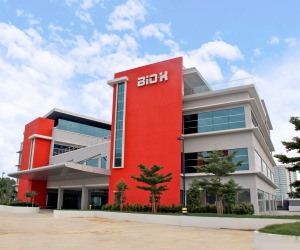 Today, CryoCord operates across the full continuum of cell-based medicine — from regulated biobanking and GMP-grade processing to translational research, clinical trials, and gene-engineered therapies.
Supported by regional expansion, scientific leadership, and growing clinical programmes, CryoCord continues to move beyond traditional banking — advancing toward a future where stored cells become real therapeutic solutions, helping shape the next era of regenerative and precision medicine.